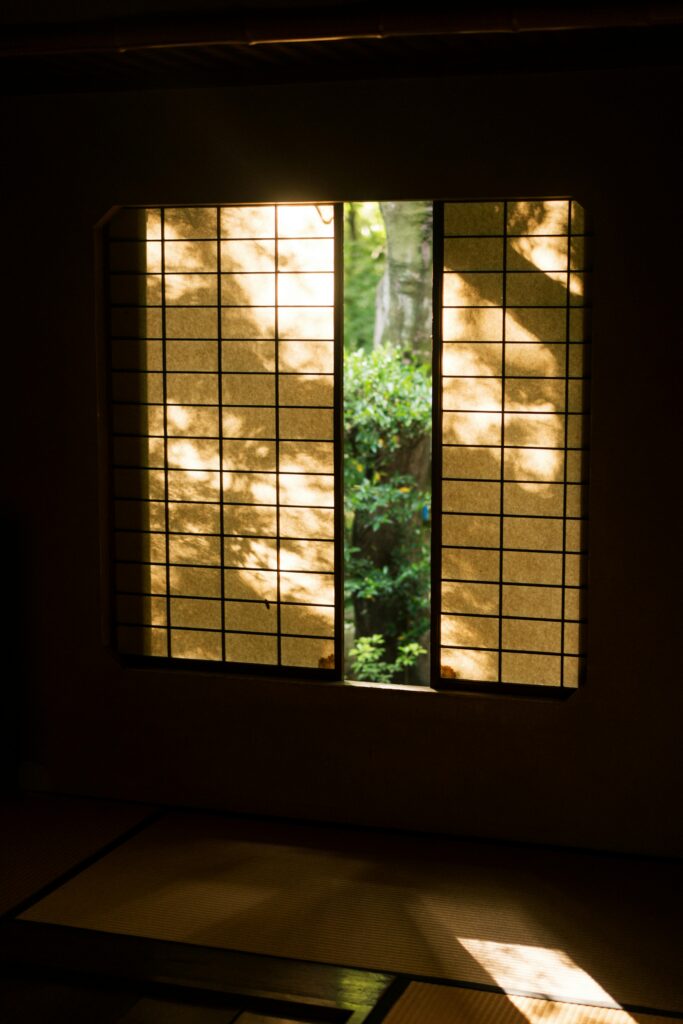
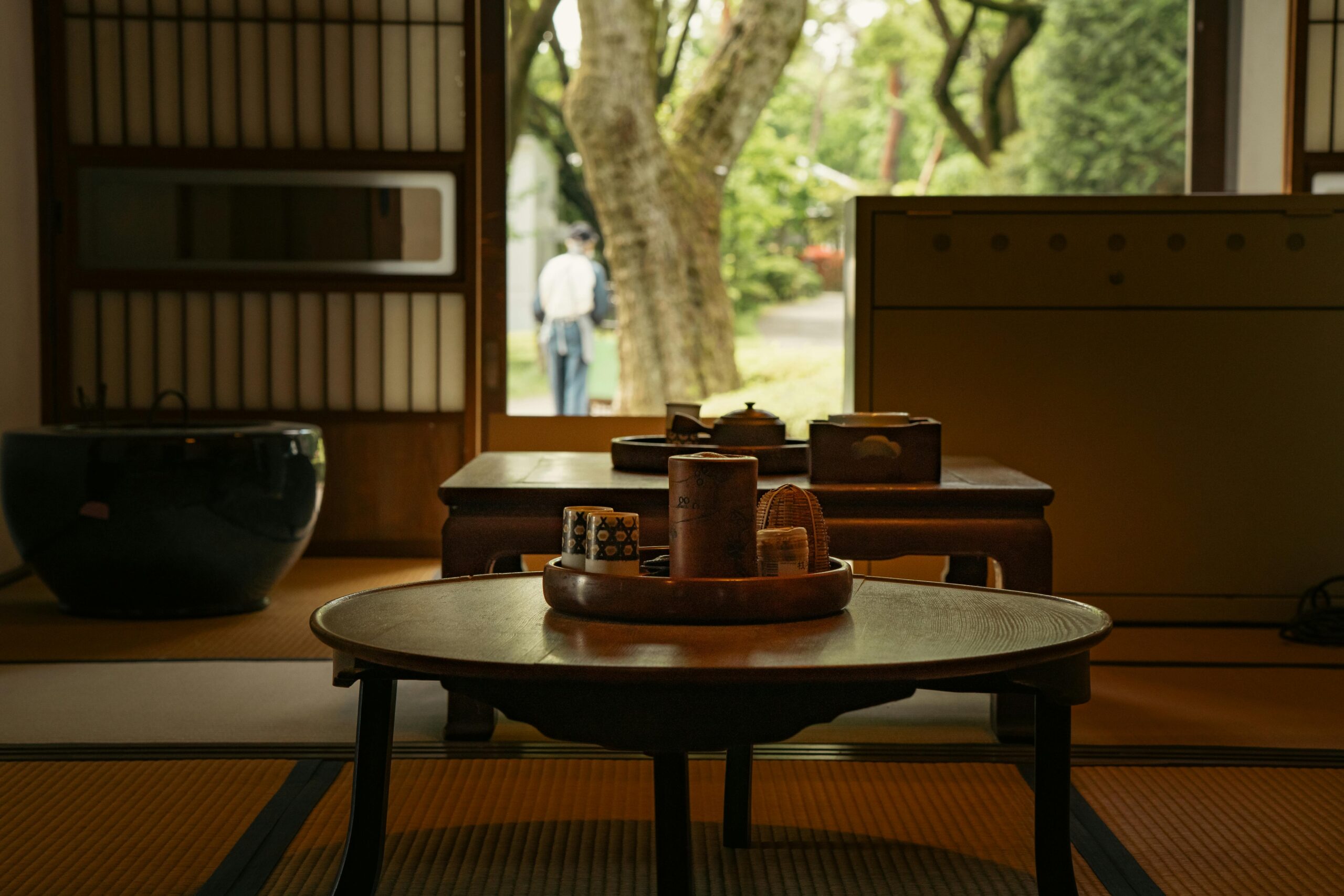

Some rituals feel less like routines and more like invitations to slow down.
The Japanese tea ceremony became one of those for me.
In the last post, I shared how I have recently become very fascinated by tea ceremonies. The kind of fascination that leads to endless Pinterest boards, far too many open tabs, and late night searches trying to understand the meaning behind a specific tea whisk or ritual. And if there is one tea tradition that completely captivated me, it is the Japanese tea ceremony.
It is difficult to explain exactly why it drew me in so deeply, but there is something incredibly grounding about it. When the world begins to feel overwhelming or unbearably loud, even reading about the ceremony feels calming, almost as though someone dimmed the lights and softened the noise of everything around you.
And that is exactly what I want to bring you into today, this quiet world of slowness, grace, mindfulness, and presence that exists within the Japanese tea ceremony.
Let us begin.
The Japanese tea ceremony, also known as chanoyu, chado, or sado, all meaning “the Way of Tea”, is not simply about drinking tea. It is a spiritual and cultural ritual, deeply rooted in Zen Buddhism, that transforms the simple act of preparing and sharing tea into a moment of mindfulness.
It is about how something is done, not simply what is being done.
And honestly, I think that is what struck me first.
Because how often do we rush through things on autopilot? Even while making a simple cup of tea, most of us are already thinking about the next thing. Replying to messages, checking social media, mentally running through endless to do lists, or worrying about where we need to be next.
But here, in chado, everything is done with complete presence.
Every gesture, every movement, every moment of silence is intentional.
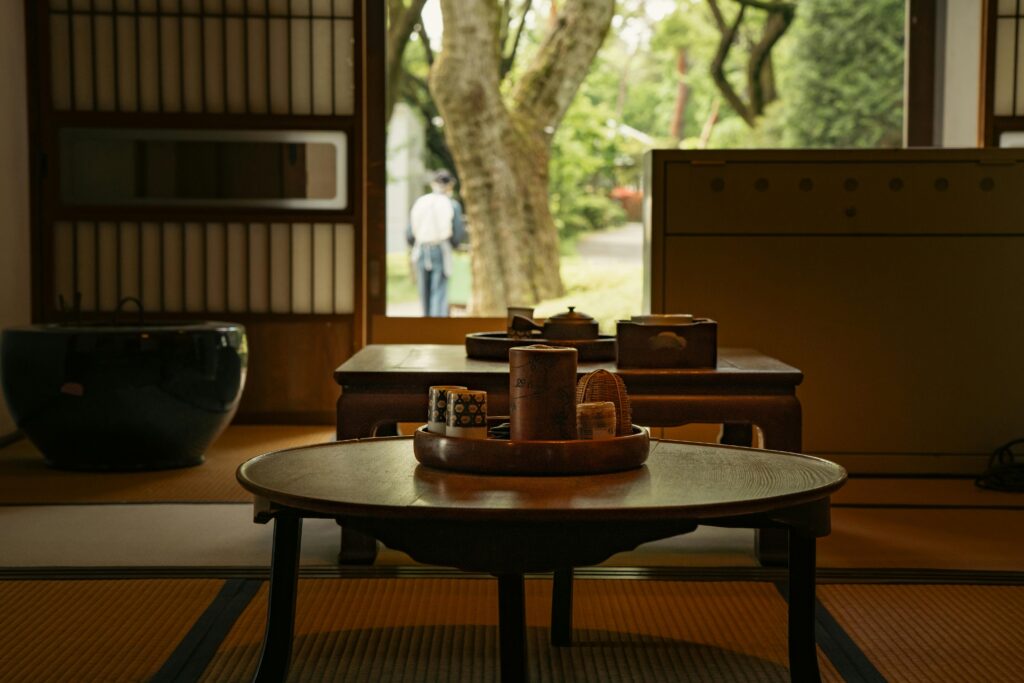
A traditional tea ceremony is usually held in a tea room known as a chashitsu, often a small and simple wooden space tucked away from noise and distraction. The entrance is intentionally small, requiring guests to bend down slightly while entering. Symbolically, it serves as a quiet reminder to leave one’s ego outside before stepping into the tea room.
And honestly, I love that detail.
The space itself is calm and minimalistic. There is usually a hanging scroll with calligraphy and a carefully arranged flower display, both chosen thoughtfully to reflect the season, the atmosphere, or the message the host wishes to convey.
It is not about impressing guests with luxury or grandeur. It is about creating a shared space of stillness, mindfulness, and respect.
The tea ceremony itself can be incredibly detailed and intricate. There are several different forms of the ceremony, some lasting only twenty to thirty minutes, while others can continue for up to four hours. A full length formal ceremony is known as chaji, and it traditionally includes a seasonal meal called kaiseki, followed by the serving of thick tea, or koicha, and finally thin tea, known as usucha.
But what I found especially fascinating is that tea ceremonies are not defined by duration alone. They also vary depending on the number of guests attending, the time of day the ceremony takes place, and the particular school of tea ceremony being followed.
A traditional tea gathering usually includes no more than five guests, with the host often assisted by two helpers. If the number of guests increases, the ceremony becomes simpler in structure. Sometimes meal boxes are served instead of a full kaiseki course, or only one type of matcha is prepared rather than both thick and thin tea.
There are even large scale tea gatherings where hundreds, and sometimes thousands, of people participate within a single day. These are often held outdoors or at long communal tables rather than inside a traditional tatami tea room.
Traditionally, a tea ceremony begins around noon, though there are many variations depending on the season. During summer, some ceremonies take place at dawn while the air is still cool and quiet. In winter, others begin after sunset, embracing the stillness and calm of the night. Even the tools, atmosphere, and arrangement of the space shift gently with the changing seasons.
And then there is the style of the ceremony itself.
There are nearly twenty different schools of Japanese tea ceremony, each carrying its own subtle differences and traditions. However, the most well known schools belong to the Sansenke, three styles that trace their origins back to Sen no Rikyū, the tea master who shaped the ceremony into the practice recognised today.
While each school differs slightly in method and presentation, they all share the same essence, mindfulness, grace, attentiveness, and quiet hospitality.
So today, I want to walk you through the heart of it all, the classic structure of a traditional Japanese tea ceremony. The details may vary depending on the school or season, but the spirit of the ritual remains remarkably unchanged.
Every movement, from folding the cloth and cleaning the utensils to whisking the matcha and turning the tea bowl before drinking, is performed with intention. Nothing is rushed.
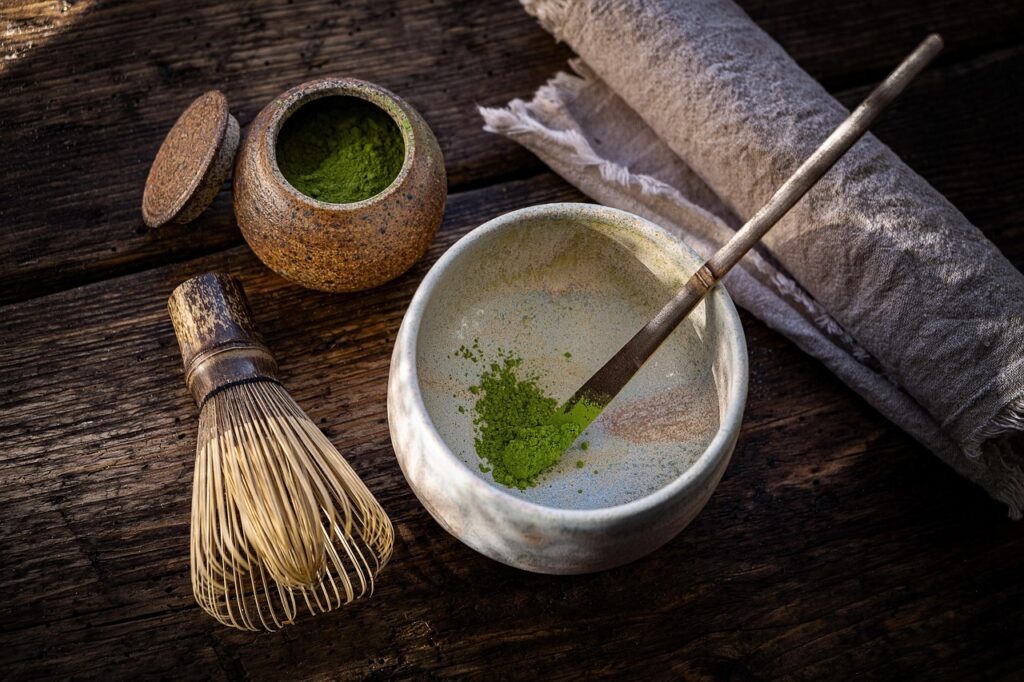
Even the tools themselves carry meaning. The bamboo whisk known as the chasen, the tea scoop or chashaku, and the tea bowl called the chawan each hold their own place and quiet significance within the ritual.
There is even a deliberate way to walk, bow, serve, and receive.
And somehow, despite all its structure and precision, the entire ceremony flows with the softness and rhythm of a dance.
So what exactly happens during a traditional four hour Japanese tea ceremony? Let me walk you through it.
Once the guests have gathered in the waiting area of the tea house around noon, a quiet stillness begins to settle over the space. One by one, the host’s assistant serves each guest a cup of hot water, not tea just yet, but plain warm water. It is a simple gesture meant to relax the body and ease the guests into the experience before the ceremony begins.
Even in this small act, there is already an invitation to slow down and leave behind the pace of the outside world.
When everyone has arrived, the guests are invited to step outside once again, not to leave, but to walk through the garden towards a different waiting area. It may seem like a small detour, but the path itself is intentional.
Traditionally, walking through the garden is believed to cleanse both the mind and body, creating a symbolic transition from the ordinary world into the quiet, sacred atmosphere of the tea room. With every step along moss covered stones and beneath filtered light, the noise and distractions of daily life slowly begin to fall away.
Eventually, the host appears to greet the guests for the very first time. And yet, no words are exchanged, only a deep and respectful bow.
Silence here is not considered awkward. It is part of the philosophy itself.
The tea ceremony encourages guests to speak as little as possible, allowing them to fully immerse themselves in the quiet beauty of the moment. Instead, attention shifts towards the softer details, the rustling of leaves, the gentle clink of porcelain, the sound of water, and even the rhythm of one’s own breathing.
After this silent greeting, the host returns to the tea house while the guests prepare to enter the tea room themselves. But first, following a tradition similar to visiting a shrine, they cleanse their hands and mouths in a small act of purification before stepping inside.
The guests then enter the tea room one by one, moving quietly and with reverence. Their attention naturally drifts towards the carefully chosen hanging scroll, perhaps inscribed with a seasonal poem, and the delicate pottery arranged thoughtfully throughout the room. Every object has been selected with intention, reflecting not only the season, but also the atmosphere and message the host wishes to share through the gathering.
Once everyone has settled into their places, the host returns once more, this time offering spoken greetings to the guests.
The first guest, known as the shōkyaku, is usually the eldest or most experienced among those attending. It is this guest who gently breaks the silence, asking the host about the garden, the hanging scroll, or the objects displayed within the tea room. Even these conversations are measured and deliberate, unfolding with the same sense of care and structure that shapes every part of the ceremony.
From this point onward, the ceremony begins to shift according to the season.
During the colder months, the host first prepares the charcoal fire. In warmer seasons, the kaiseki meal is served before the charcoal is arranged. This is not merely practical, but deeply intentional. In autumn and winter, the warmth of the charcoal helps create comfort within the tea room, while in spring and summer, preparing it too early would make the atmosphere uncomfortably warm.
Even the preparation of charcoal becomes part of the ritual itself. The host performs it carefully before the guests, adjusting the heat with precision while incense placed within the charcoal releases a soft fragrance into the room.
Next comes the kaiseki meal. Although it is now widely recognised in restaurants across Japan, its origins are far more humble, rooted in the practices of Zen Buddhist monks.
The word kaiseki itself combines kai, meaning “bosom” or “robe”, and seki, meaning “stone”. It refers to the warm stones monks would once place against their stomachs to ease hunger and keep themselves warm during long periods of fasting and meditation.
True to those origins, the meal remains simple, balanced, and comforting. It often includes miso soup, rice, simmered vegetables, perhaps a small portion of cooked fish, and a little sake, not for indulgence, but to gently relax and prepare the body for the matcha that will follow.
Each course is served in a carefully structured order, accompanied by its own quiet etiquette and traditions. Guests are expected to eat mindfully, with awareness, gratitude, and respect for both the meal and the ritual surrounding it.
After the meal, the host serves the main sweet, a seasonal wagashi delicately crafted to reflect the time of year. It may be shaped like a plum blossom in spring or a falling leaf in autumn.
The sweetness is intentional, preparing the palate for the rich bitterness of the matcha still to come.

There is usually a short interlude after the meal. The guests step outside once more, giving the host time to quietly prepare the tea room for the next stage of the ceremony.
During this interval, the hanging scroll is often replaced with a fresh floral arrangement chosen carefully for the season. Once everything is ready, the host rings a small gong. No words are exchanged, only the soft sound resonating gently through the still air.
The silence is intentional, just as it was at the beginning of the ceremony. It preserves the atmosphere of quiet reverence that surrounds the entire experience.
At the sound of the gong, the guests purify themselves once again before reentering the tea room, pausing briefly to admire the new floral arrangement with quiet appreciation.
At last, it is time for the tea itself, not just one kind, but two.
The first is koicha, or thick tea. Dense, rich, and almost velvety in texture, it has a consistency far closer to espresso than the green tea most people are familiar with.
The preparation of the tea is considered the true climax of the ceremony.
No one speaks.
Instead, the guests quietly listen to the sounds surrounding them, the gentle heating of water, the soft pouring of ladles, and the rhythmic motion of matcha being carefully kneaded into a dark, glossy liquid.
Only once everyone begins drinking does the shōkyaku speak again, respectfully asking the host about the origin of the tea and the name of the sweet that was served alongside it.
After the koicha has been shared, the host once again adjusts the charcoal and adds incense to the fire. Then comes usucha, the thin tea.
Compared to koicha, it is lighter, softer, and far more familiar to modern tastes. Before the tea is served, the guests are offered a dry sweet known as higashi, carefully chosen to complement the flavour of the matcha.
By this stage of the ceremony, the atmosphere has become noticeably more relaxed. The host prepares the tea once again, but now there is a quiet softness shared among everyone present, a sense of comfort that has gradually settled into the room over the course of the gathering.
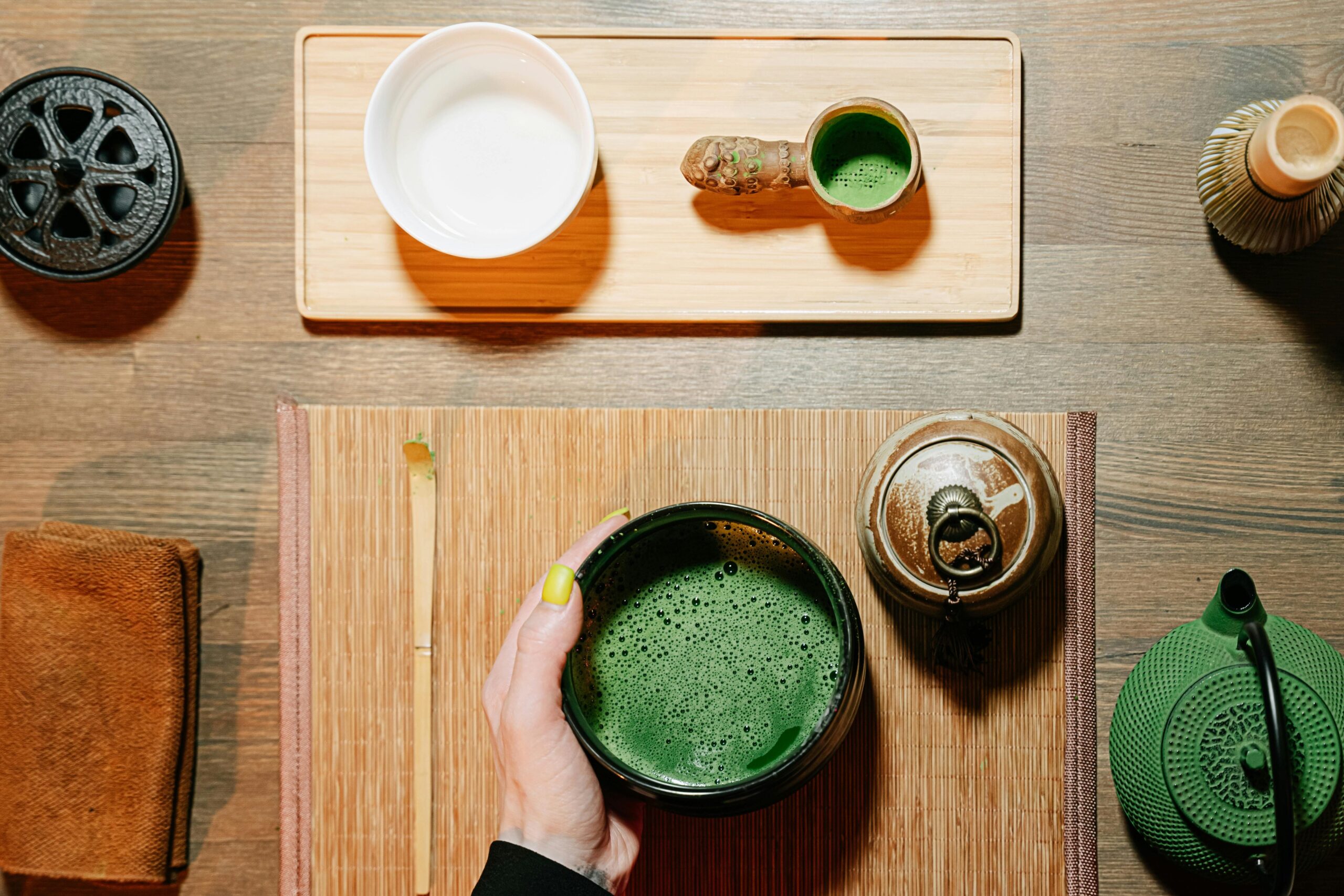
Once the guests have finished their usucha, they may politely ask to examine the tea utensils more closely. The tea bowl, the scoop, the tea caddy, each object has been selected with immense thought and care.
And this is not simply an act of curiosity. It is a gesture of respect and appreciation towards the craftsmanship, history, and intention behind every piece used within the ceremony.
And finally, as the ceremony slowly draws to a close, the guests quietly leave the tea room. At the threshold, they turn once more to offer a final bow to the host, who bows in return.
No words are exchanged. Only silence, carrying the weight of everything shared over the past four hours, a ritual shaped by tradition, mindfulness, and quiet beauty.
And honestly, I think that final image lingers with people long after the ceremony ends.
The soft rustle of fabric as the guests step away. The fading scent of incense drifting gently through the air. The tea room, now empty and still, yet somehow holding the presence of everyone who sat within it.
A single teacup remains upon the tatami, the last drops of matcha slowly cooling inside, like a quiet echo of a moment that has already passed.
But the tea ceremony is not simply about the steps, the tea, or even the setting itself.
It is a practice deeply shaped by centuries of philosophy and meaning. To truly understand the heart of the tea ceremony, one must look beyond the ritual and into the philosophy that quietly gives it life.
The true beauty of the ceremony lies within its subtleties, the things left unsaid, the silences that somehow speak louder than words, and the traditions that continue carrying wisdom across generations.
There is a reason even the most respected tea masters, people who have devoted decades of their lives to the practice, often admit that they still do not fully understand the heart of the tea ceremony.
And perhaps that is the point.
Maybe the tea ceremony was never meant to be completely understood, but simply experienced.
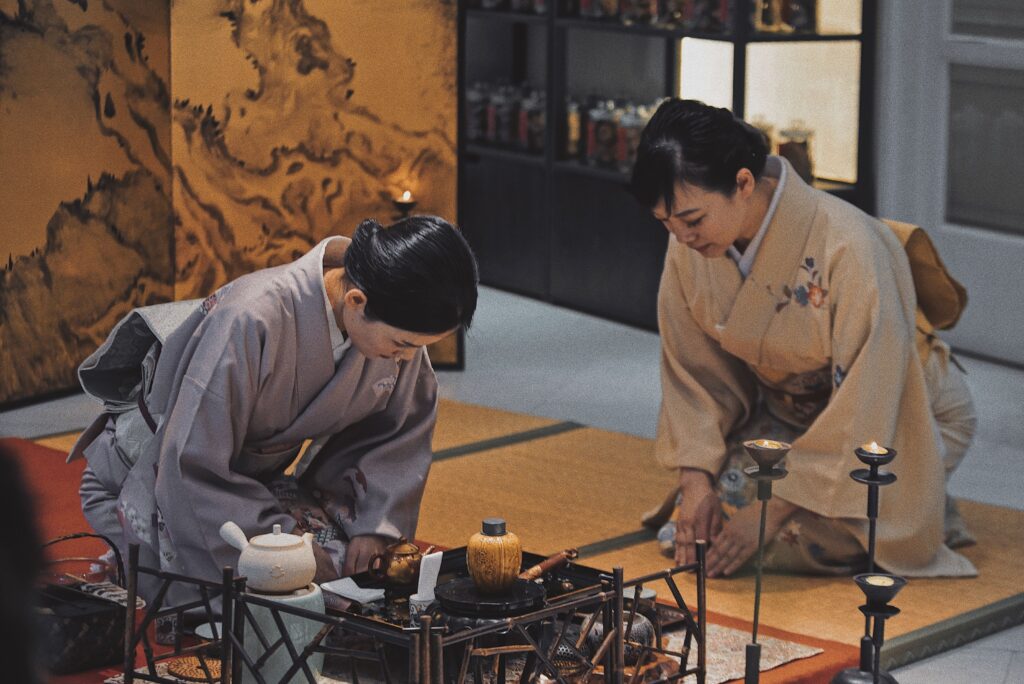
The foundations of this experience are rooted in four gentle philosophies introduced by Sen no Rikyū. These philosophies, wa (和), kei (敬), sei (清), and jyaku (寂), feel less like strict instructions and more like quiet emotions gradually absorbed through the ritual itself, slowly settling into the mind with each shared bowl of tea.
Wa, or harmony, is not simply about aesthetics or decoration. It is about the delicate balance created between every person within the tea room. Host and guests alike move with intention, quietly contributing to an atmosphere of peace and mutual understanding.
This is partly why samurai traditionally left their swords outside before entering the tea room. Within that space, status, titles, and even social divisions were expected to dissolve, if only for a little while.
There are no arguments. No gossip. No discussions about politics, wealth, or conflict. Only seasonal flowers, the gentle rustling of wind through bamboo, and quiet conversations appreciating the meal, the surroundings, and the shared moment itself.
Kei, meaning respect, reveals itself through every movement within the ceremony. Every bow, every exchange of tea, and every glance towards a hanging scroll or an iron kettle becomes an expression of appreciation, not only towards other people, but also towards the objects, the setting, and nature itself.
Even the flowers reflect this philosophy. Rather than being arranged into elaborate bouquets, they are placed simply and naturally, as though still growing quietly in the wild. There is beauty in allowing things to exist as they are.
Then there is sei, or purity. Not simply purity of the body, but also of the mind and the space itself.
Before entering the tea room, guests cleanse their hands and mouths much like they would before entering a shrine. Inside, incense burns softly alongside the charcoal, gently purifying the air. Even the sake served during the meal carries symbolic meaning, preparing and purifying the body before the tea is shared.
And then there is the host, carefully whisking the matcha with patience and intention. Not out of rigid formality, but as an expression of sincerity, attentiveness, and presence.
A single bowl of tea may take fifteen minutes to prepare, yet every moment within that process is steeped in mindfulness.
And finally, there is jyaku, or tranquillity. A quiet stillness of mind that is achieved not by escaping chaos, but by learning how to exist peacefully alongside it.
Perhaps that is why so much of the tea ceremony unfolds in silence.
It is a silence that allows guests to hear the wind, notice the movement of air through the room, and understand one another through something as small as a glance or a bow.
It is not emptiness.
It is presence.
But philosophies, no matter how profound, can still remain abstract unless they are practised in everyday life. And perhaps that is where Sen no Rikyū’s seven rules become so meaningful. They are not rigid commandments or strict instructions, but gentle reminders of how these philosophies can quietly shape the way a person moves through the world.
The rules themselves are remarkably simple.
- Make good matcha. Not in pursuit of perfection, but with sincerity and care, from the temperature of the water to the final sip shared in gratitude.
- Place the charcoal properly. Even something as ordinary as arranging charcoal becomes an act of attentiveness and mindfulness.
- Let the flowers remain natural. Beauty does not need to be forced or overly arranged to be meaningful.
- Create coolness in summer and warmth in winter. The host adapts the space in harmony with the season so guests may experience comfort naturally rather than artificially.
- Prepare in advance. Respect the time of others by using your own time thoughtfully.
- Be prepared for rain, even on clear days. A quiet reminder to remain ready for uncertainty and change, both within the tea room and beyond it.
- And finally, care for your fellow guests. Because the tea ceremony is never only about the host or the tea itself. At its heart, it is about people, presence, and shared human connection.
When someone once remarked to Rikyū that these teachings sounded like little more than common sense, he quietly replied,
“If you can follow them all perfectly, I will become your apprentice.”
And honestly, I think that response says everything.
Because deep down, most of us already know what truly matters. Caring for the people around us. Being prepared. Treating others with kindness and respect. Moving through the world with awareness and consideration.
Yet in the rush and noise of everyday life, how often do we genuinely live that way?
Perhaps that is what makes the tea ceremony feel so profound.
It becomes a kind of quiet mirror, reflecting not who someone is in the outside world, but who they are when everything unnecessary is stripped away.
The ceremony asks for nothing except presence. It offers no promises beyond the moment itself.
And somehow, that is enough.
In that stillness, the tea ceremony becomes more than ritual. It becomes reflection. A practice of self awareness. And perhaps, in its own quiet way, a form of care, for oneself, for others, and for the world around us.
Perhaps that is why I found myself so drawn towards the tea ceremony in the first place.
Not because I perfectly embody every philosophy or live by every principle within it. Honestly, I do not. I rush through days. I forget mindfulness. I become too absorbed in screens and endless distractions. Sometimes I forget to slow down long enough to properly appreciate the people I love. Sometimes, in moments of frustration or exhaustion, I forget the kind of patience and gentleness I should be showing towards them.
And maybe that is exactly why the ceremony resonates with me so deeply.
There is something profoundly comforting about seeing how another culture intentionally created space for stillness. A space not centred around productivity, achievement, or constant urgency, but simply around presence.
I think we often treat ideas like self care or wellness as though they are modern discoveries, but in reality, every culture has always searched for ways to nurture the human spirit. Sometimes through music. Sometimes through storytelling, dance, prayer, or art.
And in Japan, one of those expressions became the quiet preparation of tea shared within a peaceful room.
A moment held gently between people, nature, and time itself.
And honestly, I think there is something incredibly beautiful about that.
In a world that constantly demands speed, the Japanese tea ceremony offers a quiet reminder that meaning is often found in stillness rather than movement.
Sometimes, a bowl of tea becomes more than just a drink. It becomes presence. Shared silence. A fleeting moment of grace.
So perhaps I will leave you with this question.
Do you have a ritual or quiet moment in life that helps ground you when the world feels overwhelming?
Maybe it is tea. Maybe it is music, books, journalling, prayer, or simply sitting quietly at the end of a long day.
Whatever it may be, I hope you continue making space for it.