
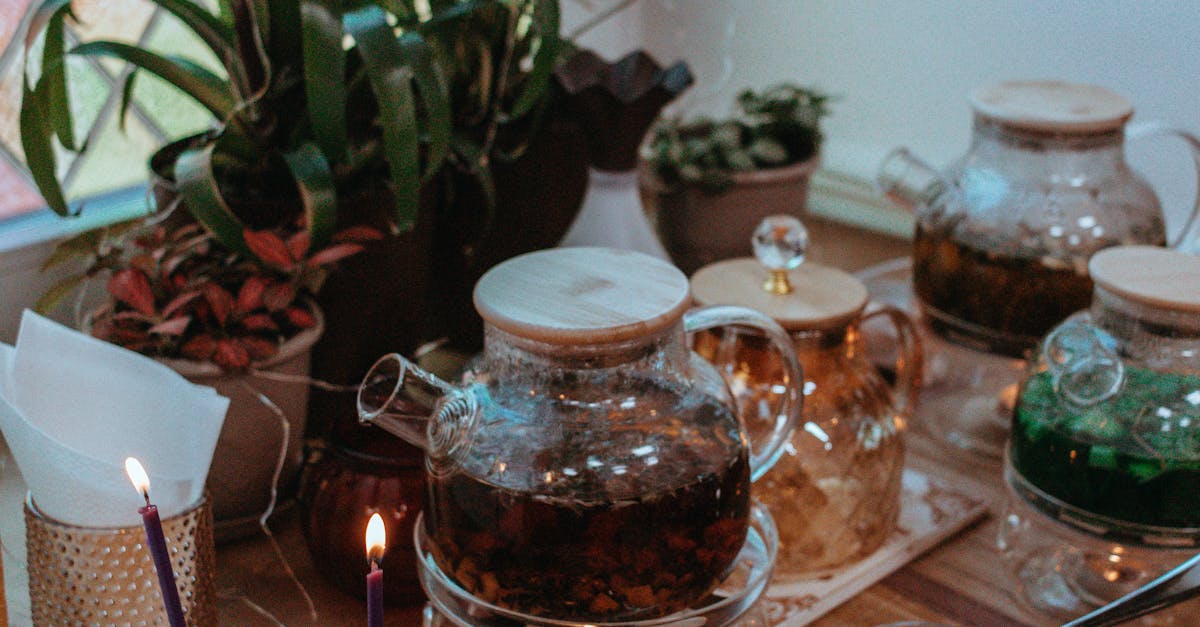

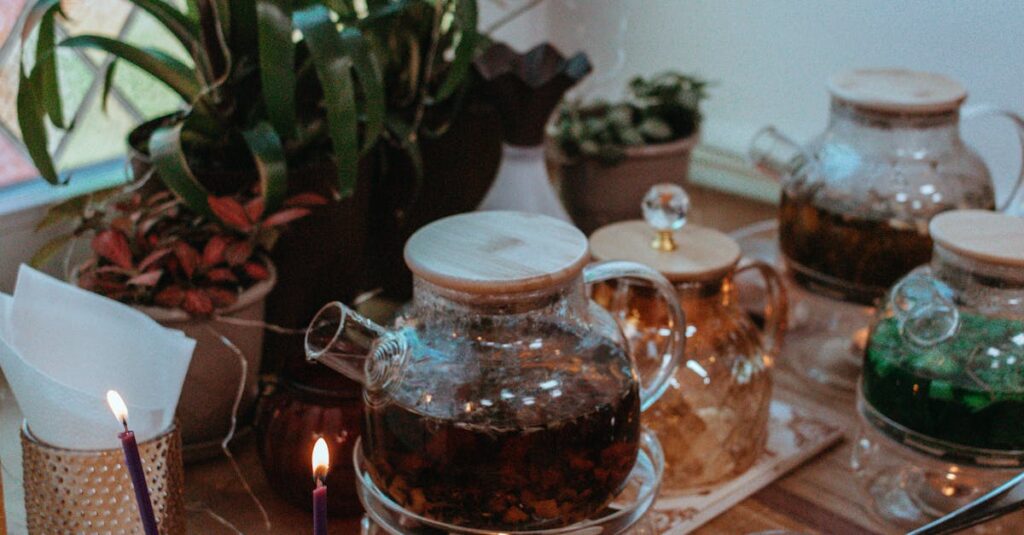
There is something strangely comforting about watching someone prepare tea with care.
Maybe that is because, in one way or another, tea has always been connected to people and conversation. At least here in India, chai feels less like a drink and more like a small ritual woven into everyday life.
Tea is present in almost everything. Quiet evening conversations with family. Long discussions between friends. Quick breaks during hectic workdays. Tiny roadside chai stalls where strangers somehow become familiar faces over time. Even when guests arrive at home, one of the first questions we ask is whether they would like tea or coffee.
There is warmth attached to it. Familiarity. Comfort.
And even though I am not someone who drinks tea or coffee very regularly, I have always found tea itself strangely fascinating. The history behind it, the variety of teas across cultures, the rituals surrounding it, and the quiet beauty of tea ceremonies have all slowly drawn me in over the past few months.
If you have been anywhere near my Pinterest boards lately, you have probably already noticed my growing fascination with tea ceremonies.
There is something about the entire process, the calmness, the quietness, and the mindfulness of it all, that feels almost sacred. It is slow, intentional, and strangely soothing.
Over the past few months, I have spent far too much time reading about tea ceremonies, watching videos, and honestly falling down one rabbit hole after another. So far, I have mostly explored Japanese and Chinese tea traditions, though there are still so many others I hope to learn about someday.
But before we get into tea ceremonies themselves, I think tea deserves a little appreciation of its own.
Tea has a rich and winding history that stretches back thousands of years. It is believed to have originated in China, with legends tracing its discovery all the way back to Emperor Shen Nong in 2737 BCE. Over time, tea travelled, evolved, and adapted, gradually becoming woven into cultures across the world in entirely unique ways.
From imperial courts to street stalls, from monasteries to modern cafés, tea has had an incredibly transformative journey.
Honestly, the history of tea itself is vast enough to deserve an entirely separate discussion someday. The way it shaped trade, culture, rituals, and everyday life across different societies is genuinely fascinating. If that is something you would love to read about, let me know, and I would be more than happy to explore it further.
But for now, let us bring the focus back to tea ceremonies.
So, what exactly are tea ceremonies?
A tea ceremony is not simply about drinking tea. It is about the act of preparing and serving it with care, respect, and presence. It is a ritual. A form of meditation. In some cultures, it is even considered an art form.
While different parts of the world have their own tea rituals and traditions, the Japanese and Chinese tea ceremonies remain two of the most intricate and philosophically rich practices.
Let us begin with the Japanese tea ceremony because, honestly, this was the one that completely captivated me.
In Japan, the tea ceremony is known as chanoyu or chado, meaning “the Way of Tea”, and it is deeply influenced by Zen Buddhism. It is not simply about drinking tea, but about appreciating the moment itself. The space, the movements, the utensils, and even the silence all become part of the experience.
Every gesture is intentional. Every step is deliberate.
The entire ceremony feels minimalistic, slow, and meditative. Even the tea utensils, such as the chawan or tea bowl, the chasen or bamboo whisk, and the chashaku or tea scoop, are chosen with immense care and carry their own meaning within the ritual.
A traditional tea ceremony can last for up to four hours. Yes, you read that right, four hours! And the experience often includes not only the serving of tea, but also a carefully prepared multi course meal known as kaiseki, quiet conversations, and sometimes even poetry or calligraphy.
Hosts spend years learning the precise choreography of the ceremony. It is not treated as a simple social gathering, but almost as a form of devotion.
And honestly, I think what fascinates me most is the philosophy behind it all.
The ceremony asks people to slow down. To honour the present moment. To appreciate stillness in a world that constantly demands urgency.
The Chinese tea ceremony, while different in execution, also holds deep cultural significance. It often places greater emphasis on the appreciation of the tea itself, its aroma, flavour, colour, and the way it evolves through multiple steepings.
One well known practice is gongfu cha, which roughly translates to “making tea with skill”. The ceremony focuses on precision, attentiveness, and rhythm. The entire process feels detailed, graceful, and quietly meditative.
Each tea ceremony, no matter where it originates from, seems to speak the same language. A language of slowing down, of paying attention, and of bringing beauty and intention into everyday life.
And perhaps that is what resonates with me most.
Maybe something as simple as preparing tea with care can become its own act of kindness. A small ritual for yourself. A pause in the middle of chaos. A quiet way of reminding yourself that you are worthy of moments of stillness too.
I think I will leave it at that for now. But this is definitely not the last time we are talking about tea or tea ceremonies. I have only scratched the surface, and there is still so much more I want to explore and learn about.
So if this sparked your curiosity, or perhaps brought you even a little sense of calm, stay tuned. There is much more to come.
Until then, maybe make yourself a warm cup of tea and drink it slowly.
You deserve that kind of pause.
